Piggyback Font: The Ultimate Sans Serif for Modern Design
If you are searching for a versatile typeface that balances elegance with readability, the Piggyback font download is exactly what your design toolkit needs. As a premium Sans Serif option, it has quickly become a favorite among graphic designers looking to elevate their headers, banners, and flyers. Many users start by looking for a Piggyback free download to test its versatility before committing to a project, but understanding its full potential requires a closer look at its structure and licensing. Whether you need a clean aesthetic for corporate branding or a stylish touch for personal projects, this font offers a unique character that stands out in the crowded world of typography.
Introduction — What is Piggyback?
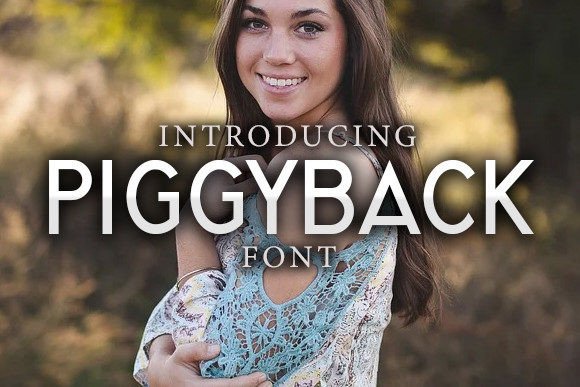
Piggyback is an elegant Sans Serif typeface designed to fit seamlessly into any of your creative projects. Unlike generic fonts that lack personality, Piggyback brings a distinct visual weight and refined spacing that makes text pop without sacrificing legibility. When you first encounter the idea of a Piggyback font download, you might expect just another standard geometric sans, but this family offers subtle curves and balanced proportions that give it a sophisticated edge. It is crafted to work beautifully on both digital screens and print materials, making it a top contender for those seeking a professional Fonts font that can handle diverse applications.
The uniqueness of Piggyback lies in its ability to transition effortlessly from a bold display type to a readable body text. While many designers search for a free Sans Serif font for Fonts collections, few find one that maintains such high-quality rendering across different weights. This makes it an excellent choice for anyone who wants to avoid the "default" look often associated with basic system fonts. By integrating Piggyback into your workflow, you gain access to a typeface that feels modern yet timeless, perfect for establishing a strong visual identity.
Design & Style Analysis
To truly appreciate why this typeface works so well, we must analyze its visual DNA. The design philosophy behind Piggyback focuses on clarity and structural integrity, hallmarks of the best Sans Serif fonts for use case scenarios requiring high impact. Its letterforms are constructed with precision, ensuring that every glyph contributes to a cohesive whole.
Refined Letterforms and Geometry
The letterforms in Piggyback are characterized by open counters and slightly rounded terminals, which soften the otherwise rigid geometry typical of many Sans Serif designs. This subtle rounding adds a human touch, making the text feel approachable rather than cold or robotic. When compared to other popular options, Piggyback manages to retain its character even at smaller sizes, a trait that is essential for professional application.
Weight Distribution and Spacing
One of the standout features of this font is its consistent weight distribution. Whether you are using the regular or bold version, the stroke width remains uniform, creating a solid visual block of text. The spacing, or kerning, is also meticulously tuned. In the realm of typography, proper spacing is what separates a good design from a great one. Piggyback excels here, providing enough breathing room between characters to ensure readability while maintaining a tight, connected feel that draws the eye across the line.
Best Uses for Piggyback
The versatility of Piggyback makes it suitable for a wide array of design challenges. From digital interfaces to large-scale prints, this font adapts gracefully. Below are some of the most effective ways to utilize this typeface in your next project.
Piggyback for Logo Design
Logos require a font that is memorable and scalable. Piggyback for logo design is an excellent choice because its clean lines allow for easy recognition even when scaled down to a favicon or embossed on business cards. The lack of excessive ornamentation ensures that the brand name remains the focal point, delivering a message of reliability and modernity.
Piggyback for Branding Systems
When building a comprehensive brand identity, consistency is key. Using Piggyback for branding ensures that all communication channels—from social media graphics to email signatures—share a unified voice. Its neutral yet distinctive style allows it to pair well with various color palettes and imagery, making it a robust foundation for long-term brand growth.
Piggyback for Wedding Invitations and Cards
While often associated with corporate work, this typeface shines in personal events as well. Piggyback for wedding invitations/cards/typography offers a contemporary alternative to traditional scripts. It provides a chic, minimalist look that appeals to couples planning modern ceremonies. The elegance of the font elevates the invitation suite without overpowering the details of the event.
Piggyback for Posters and Social Media
In the fast-paced world of social media, grabbing attention instantly is crucial. Piggyback for posters/social media/packaging delivers high contrast and strong presence, making headlines impossible to ignore. Its bold weights command attention on Instagram stories, YouTube thumbnails, and physical posters alike, ensuring your message cuts through the noise.
Font Pairing & Combinations
No font exists in a vacuum; pairing is essential for creating hierarchy and visual interest. If you are wondering what fonts pair well with Piggyback, the answer lies in contrasting styles that complement its clean geometry. A classic combination involves pairing Piggyback with a high-contrast Serif font. The sharp serifs of a font like Bodoni or Playfair Display create a striking juxtaposition against the smooth lines of Piggyback, resulting in a layout that feels both editorial and sophisticated.
Another effective strategy is the Piggyback font pairing with a handwritten script. This combination works exceptionally well for creative industries, adding a personal, artistic flair to the structured base provided by the Sans Serif. For those seeking a more monochromatic look, pairing Piggyback with a monospaced font can yield a technical, modern aesthetic perfect for tech startups or data visualization projects. Ultimately, the best font combinations with Piggyback are those that respect its clean nature while introducing a complementary texture.
Licensing & Commercial Use
Before integrating any typeface into a client project, understanding the legalities is paramount. A common question among designers is: is Piggyback free for commercial use? The answer depends entirely on where you obtained the file and the specific license attached to it. While you may find a Piggyback free download on various repositories, these versions are often restricted to personal use only.
For professional work, securing a Piggyback commercial use license is non-negotiable. This ensures that you have the legal right to use the font in logos, packaging, and marketing materials without fear of copyright infringement. The Piggyback font license typically outlines the number of users allowed, the types of media covered, and whether webfont usage is included. Always verify the terms before purchasing or downloading to avoid costly legal issues down the road. Investing in a legitimate license supports the designer and guarantees you are using a premium Sans Serif font legally.
How to Download & Use Piggyback
Getting started with this typeface is straightforward once you know where to look. To get the highest quality files, you should aim for a reliable source rather than random file-sharing sites. While searching for a Piggyback free download might yield results, platforms like CreativeFabrica or dedicated foundries often offer better support and higher-resolution files. If you decide to buy a license, you will receive a complete font pack including OpenType (.otf) and TrueType (.ttf) formats.
Once downloaded, installing the font is simple. On Windows, right-click the file and select "Install," while Mac users can double-click the file and click "Install Font." But how do you actually use it? Learning how to use Piggyback in Canva/Word/Photoshop is intuitive. In Adobe Photoshop, simply select the Type tool and choose Piggyback from the font dropdown menu. In Canva, if the font is not native, you can upload your own .ttf file via the "Uploads" tab under "Your Brand Kit" (for Pro users) or simply import it into the document settings. For Microsoft Word, ensure the font is installed on your operating system, then restart the application to see it appear in the list.
Designer Notes & Tips
Even with a great font like Piggyback, execution matters. Here are a few practical tips to maximize its potential. First, always test your design in black and white. Colors can sometimes mask poor contrast or spacing issues. Piggyback vs similar font comparisons often reveal that while others struggle at small sizes, Piggyback holds up remarkably well due to its open counters.
Second, pay close attention to leading (line height). Because Piggyback is a condensed-to-medium width Sans Serif, giving it enough vertical space prevents the text from feeling cramped. Finally, don't be afraid to mix weights. Using the bold version for headlines and the regular version for body text creates a dynamic hierarchy that guides the reader's eye naturally. By following these guidelines, you can ensure that your final design is not only visually stunning but also functionally superior.